Iva Welker, CEO of VML & Ogilvy Czech Republic, never planned to become a CEO. She found advertising through an internship and kept saying yes to opportunities that stretched her. For her, leadership is less about position and more about the trust people place in you. She shares how she tells a healthy stretch from burnout, leads teams through change, and protects bold creative work. Her advice to women hesitating over a bigger role: apply before you feel completely ready.
Gaby Sittová had already directed a feature film and built a career across tech, film, and creative leadership, and still felt like an unsure newcomer in parts of her own life. She joined Femme Palette’s mentoring program looking for help with personal branding. What she found instead was permission to ask for a mentor rematch when the first one wasn’t right, a reminder to actually celebrate what she’d already done, and a mentor who helped her stop treating herself like someone with endless capacity to give.
Leadership rarely starts with a plan. Often it begins with saying yes to an opportunity before you feel fully ready. In this partner spotlight, Magdaléna Wavle, Chief People & Culture Officer at Česká spořitelna, shares her journey from banking to Microsoft and back, how she leads with trust and adapts her style to the moment, and why the biggest barriers are often the ones in our own heads. As a partner of this year’s Leadership & Career Conference, she also offers practical advice for women preparing to step into leadership. Read her story.
Klara Matousova set out to study microelectronics and pictured a future in a lab. Instead she ended up in industrial sales, took a job abroad with little more than a “now or never” attitude, and worked her way into project management at Schneider Electric. Her take on it: the opportunities that shape a career are rarely the ones anyone planned for. Read her story!
Olgica Mitrevska of Organon on why so many women treat fertility as a topic for "later," how the Plodnost pod kontrolou initiative is trying to change that, and why she believes fertility literacy belongs in the same conversation as career planning, not separate from it.
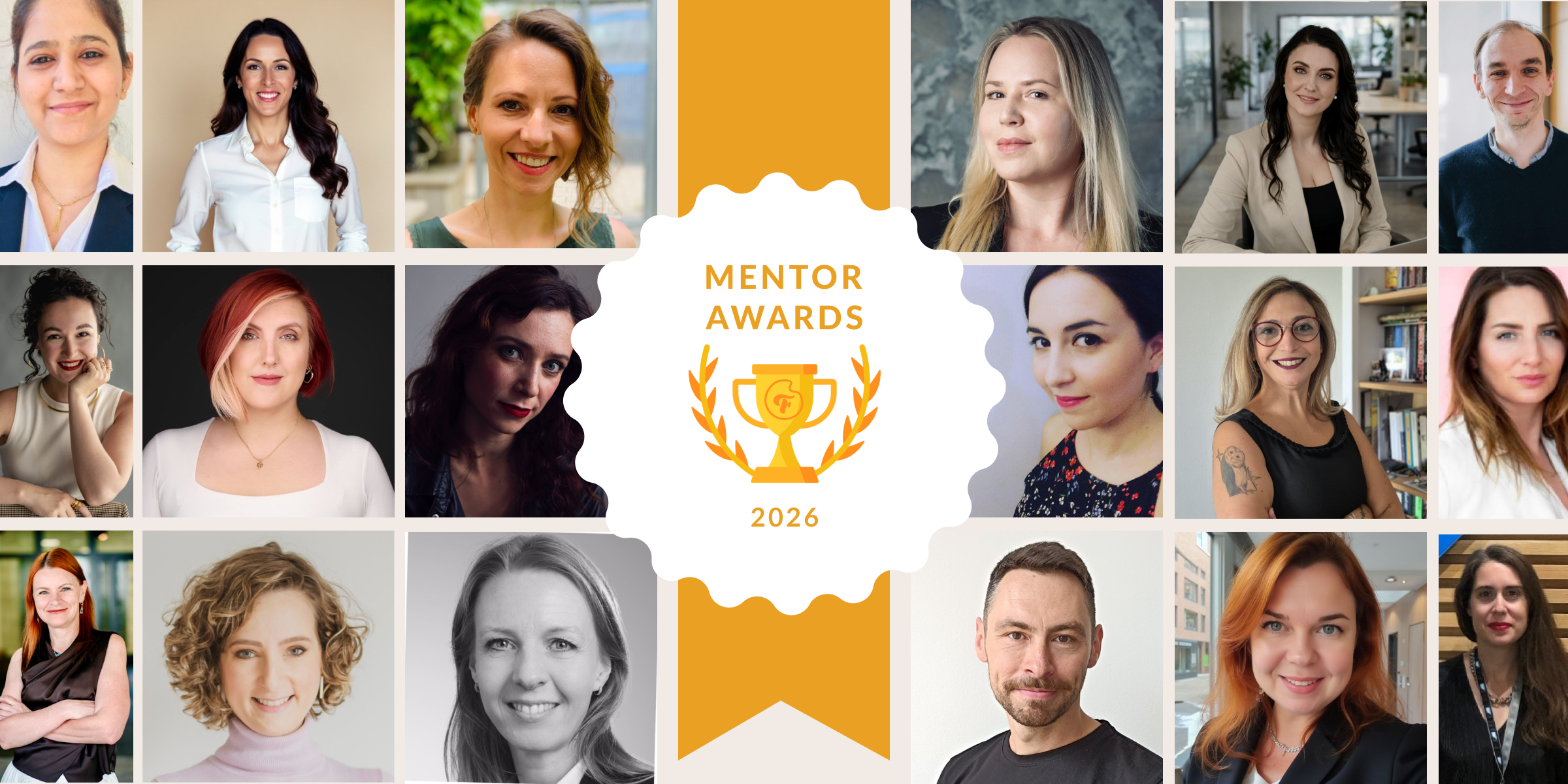
We are incredibly proud to announce the winners of our 2026 Mentor Awards! This is the second edition of our awards, and once again, we are in awe of the remarkable contributions from our mentors. What we do at Femme Palette would never be possible without our amazing community of mentors, which has continued to grow over the years.
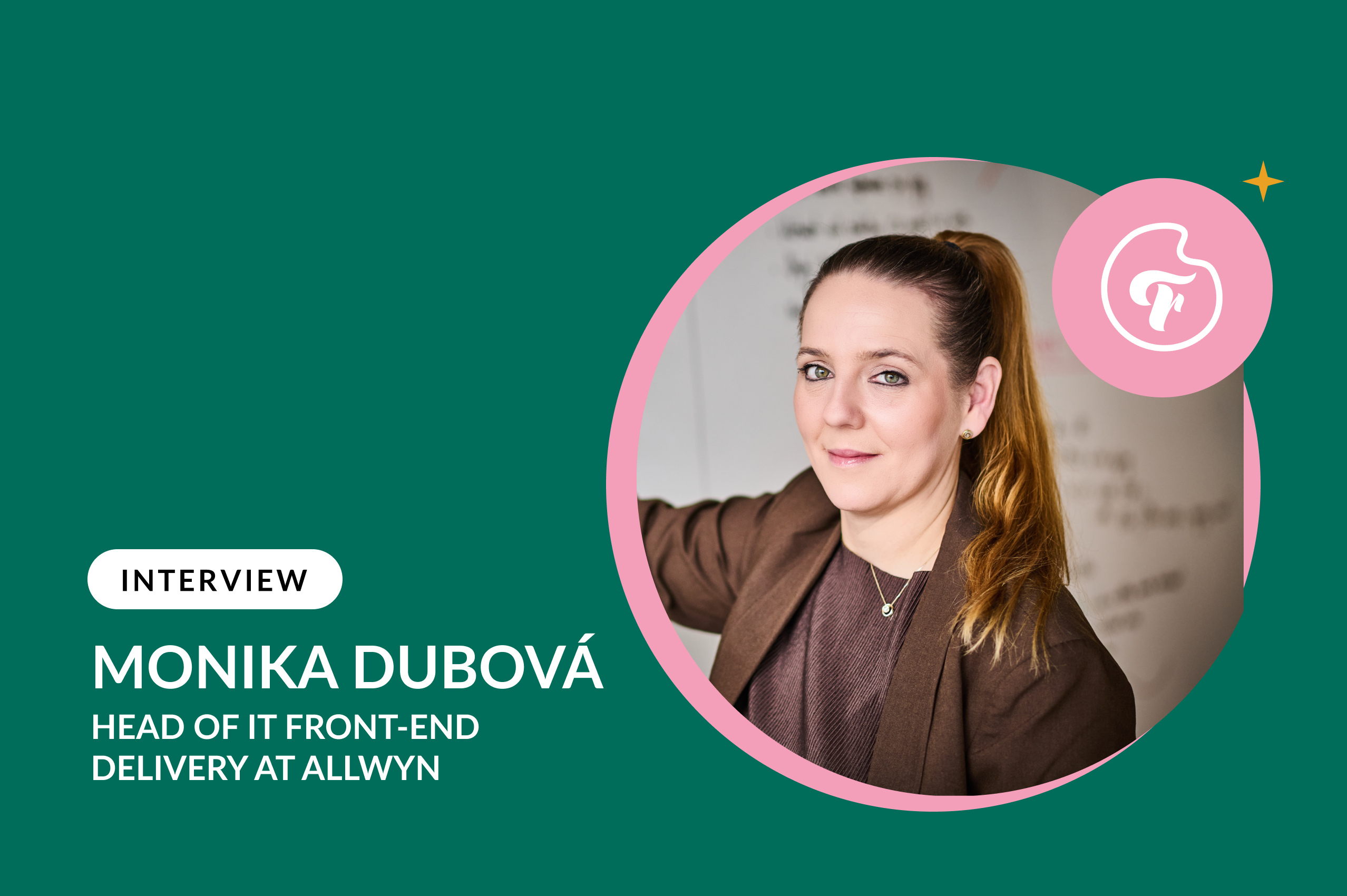
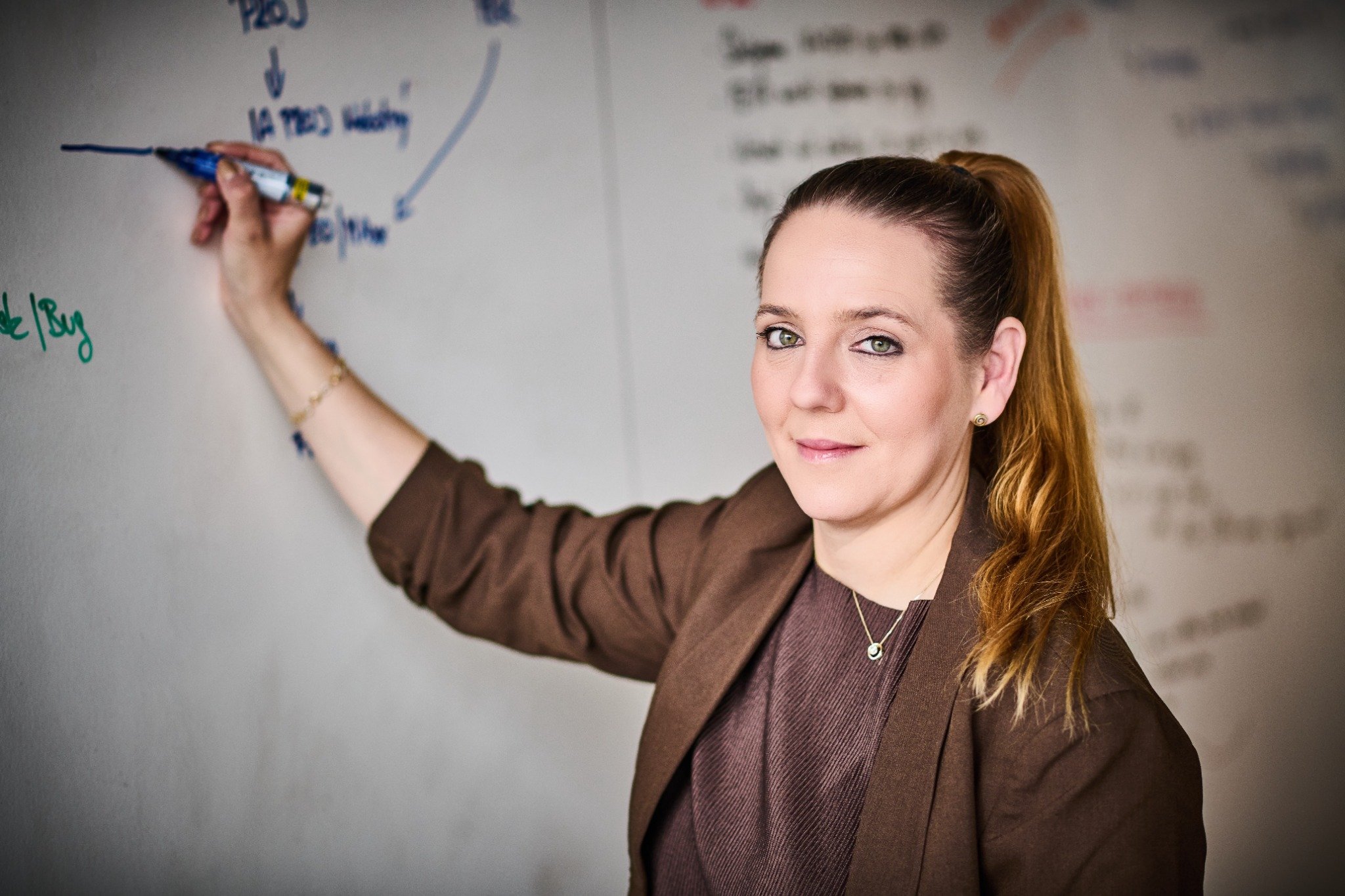
Monika Dubová joined Sazka (now Allwyn Czech Republic) in 2020 as its first front-end IT analyst, coming from banking. She now leads a front-end team of up to 40 people. Her big break came leading the analysis team on the UK National Lottery transformation, which grew from 3 to 40 people, before she returned to Prague in a leadership role. She balances the job with raising two kids thanks to Allwyn's flexible work model, and values mentoring, collaboration, and Allwyn's openness to good ideas. Her advice: "Don't hesitate, just give it a try. It's great here."
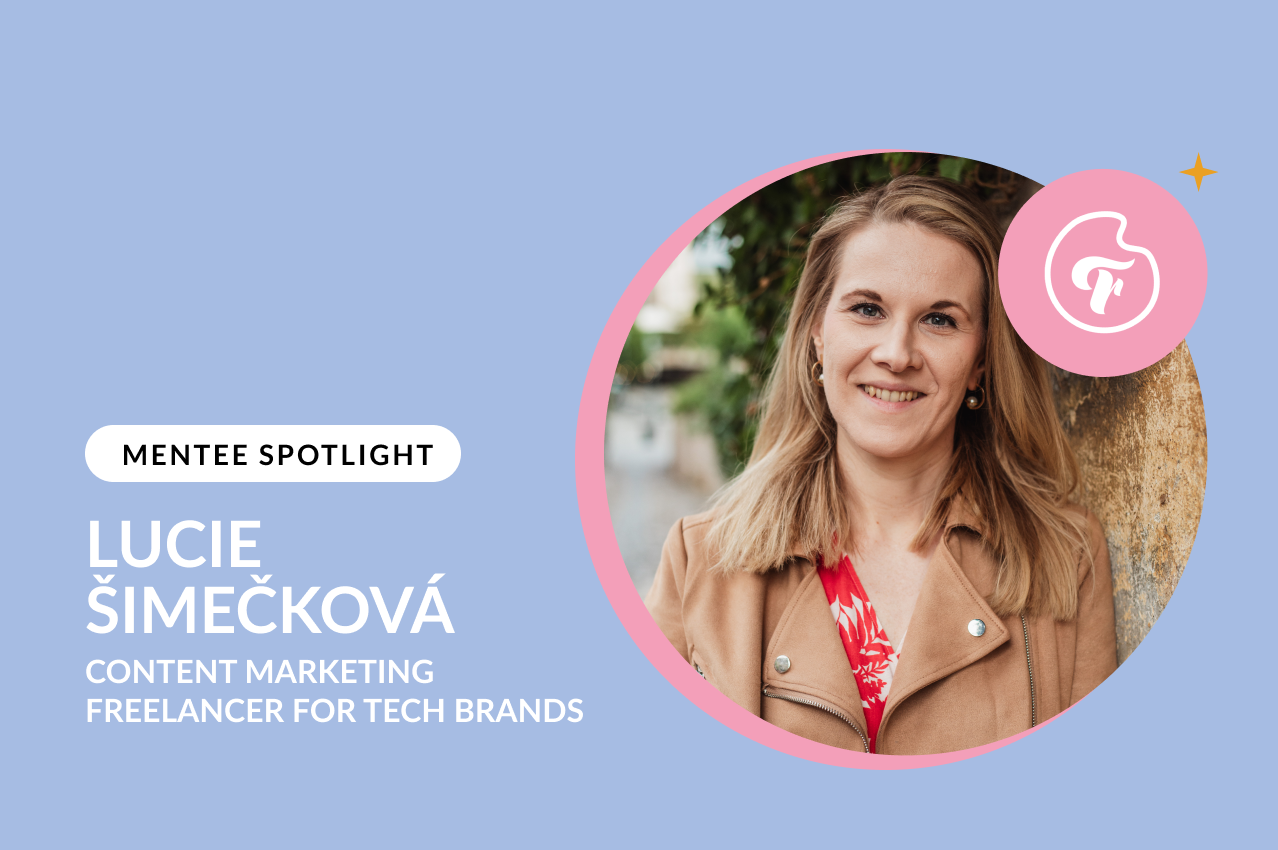
A decade in developer marketing at Microsoft and TigerData taught Lucie Šimečková how to do the work. It didn't teach her how to sell it. When she went freelance after parental leave, sales and client outreach were completely new territory, and her Femme Palette mentor became the person who helped her figure it out, one partnership contact at a time. Read on!
A child falls asleep. You have two hours. For Lucie Pazderská, that was enough to start finding her way back into a senior marketing career after parental leave, without waiting for a full-time return or a grand plan. She skipped the all-or-nothing comeback most people assume they need, took it in small, flexible steps instead, and ended up somewhere she didn't expect: a job-shared Senior Brand Manager role she actually loves. Here's what that path really looked like.


.png)