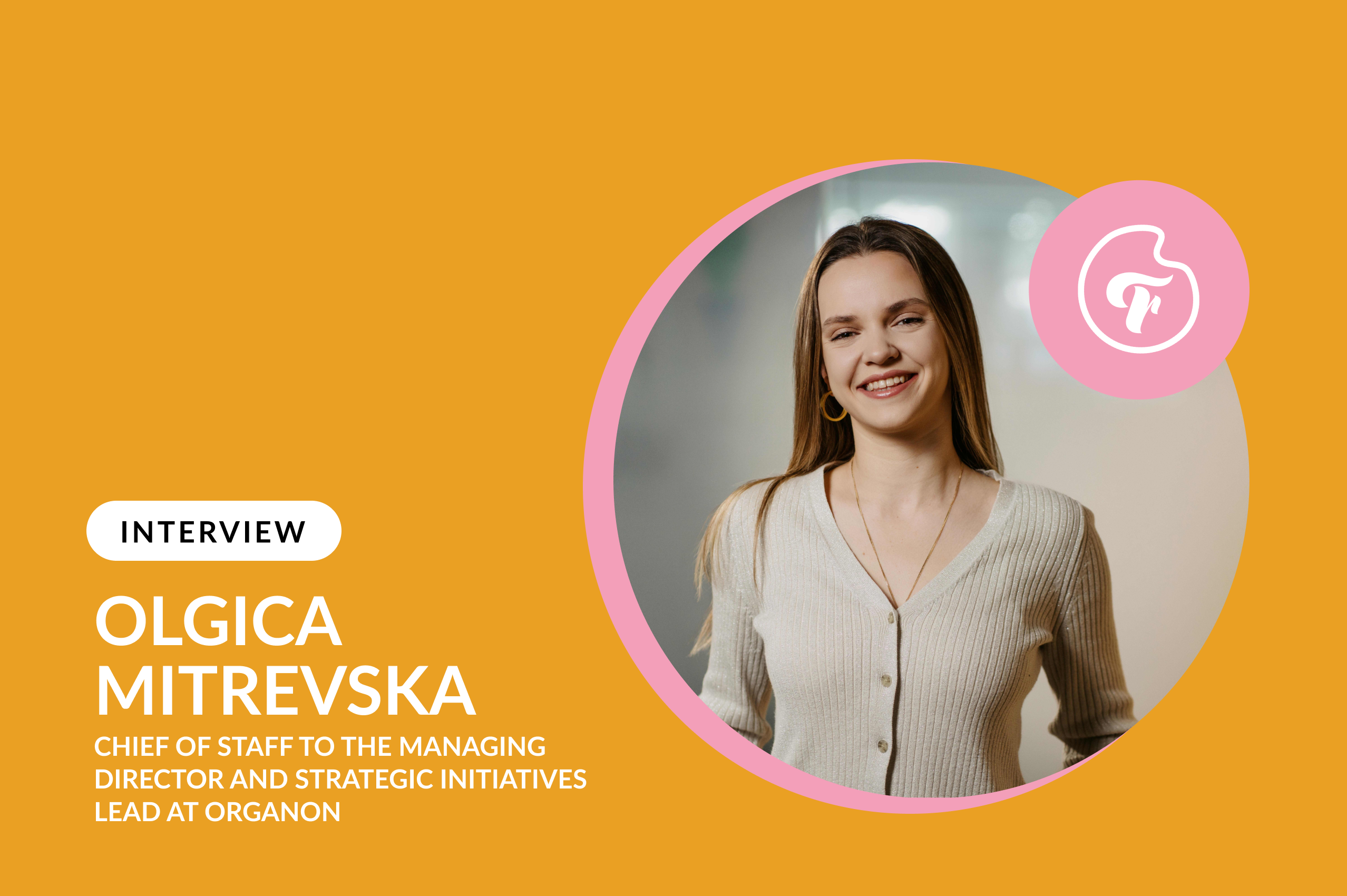
Olgica Mitrevska of Organon on why so many women treat fertility as a topic for "later," how the Plodnost pod kontrolou initiative is trying to change that, and why she believes fertility literacy belongs in the same conversation as career planning, not separate from it.
Číslo, které většinu lidí odradí od změny kariéry, bývá téměř vždy zavádějící. Mnoho lidí, kteří touží po změně, nakonec ani nepošle jedinou přihlášku. Spočítají si, kolik pracovních let jim ještě zbývá, a svůj plán raději vzdají. Co ale britská data skutečně říkají o změně kariéry ve 30, 40 nebo i mnohem později?
The number that talks most people out of a career change is almost always wrong. Most people who want something different never even send an application, they just do the math on years left and quietly give up. Here's what the UK data actually says about switching careers at 30, 40, and well beyond.
Na dnešním konkurenčním trhu práce firmy hledají způsoby, jak rozvíjet zaměstnance, udržet si kvalitní talenty a připravovat silné leadery do budoucna. Interní školení a koučinkové programy mají své místo, stále větší pozornost si ale získává také strukturovaný externí mentoring. Právě ten se pro mnoho firem stává důležitou součástí strategie rozvoje lidí.
Máš nápad. Máš dovednosti. Jen čekáš, až se budeš cítit připravená. Pravda, o které se příliš nemluví, je, že ten správný moment možná nikdy nepřijde. Tento průvodce je pro všechny podnikatelky i ženy, které o podnikání teprve uvažují a už nechtějí čekat. Najdeš v něm praktické tipy od nastavení cen a financí přes hledání mentora až po to, jak zvládnout první rok podnikání.
Aleksandra Arutsiunian has spent over a decade in travel technology, leading international teams and global partnerships. But it is her work as a Femme Palette mentor that she talks about with the most warmth. In this spotlight, she opens up about how she came into mentoring almost by accident, why first-time leaders are her favourite people to work with, and the lesson about confidence that her mentees keep teaching her.
You have the idea. You have the skills. You are just waiting until you feel ready. Here is the truth no one says out loud: that moment is not coming. This guide is for female founders and aspiring entrepreneurs who are done waiting and ready to start building, with practical tips on everything from pricing and money to finding a mentor and surviving the first year.
Stanovení jasných cílů je jedním z nejdůležitějších kroků k úspěšnému mentoringu. Cíle dávají spolupráci směr, pomáhají sledovat pokrok a zajišťují, že mentor i mentee mají stejná očekávání. Mnoho lidí ale do mentoringu vstupuje, aniž by věděli, na co se zaměřit nebo jak pojmenovat, s čím potřebují pomoct. V tomto článku najdeš tipy, jak si nastavit smysluplné mentoringové cíle, i 12 konkrétních příkladů pro různé fáze kariéry. Ať už začínáš, měníš směr nebo rozvíjíš své leadership dovednosti, pomohou ti z mentoringu vytěžit maximum.
Díky online prostředí už nemusíte hledat vhodného kouče jen ve svém okolí. Širší nabídka ale může výběr zároveň trochu zkomplikovat a snadno v nás vyvolat pocit, že nevíme, kde začít. V tomto článku vám proto představíme šest platforem, na kterých můžete najít kariérního kouče. Pojďme se na ně podívat.






.png)